
Uncategorized
How to Harvest and Store Magic Mushrooms Properly
Nov
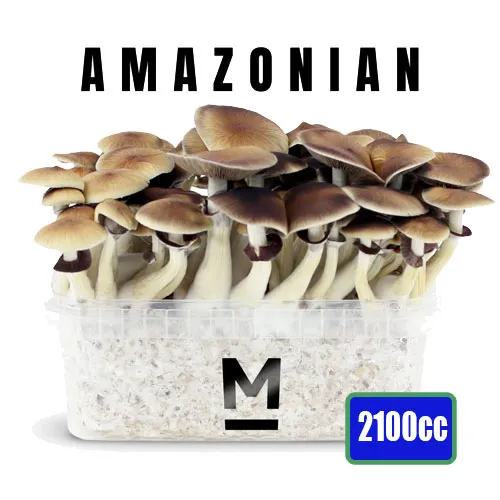
You’ve spent weeks maintaining humidity, fresh air exchange, and proper temperatures, and now your grow tub or kit is bursting with mushrooms. However, cultivation is only half the battle. Improper harvesting, drying, or storage can ruin an entire yield in a matter of days.

To preserve active psilocybin potency and prevent rot or mold, you need to harvest at the precise peak of maturity, dehydrate your mushrooms until they are completely “cracker dry,” and store them in an airtight environment.
Here is a simple step-by-step guide to post-cultivation preservation.
Part 1: When and How to Harvest
Timing your harvest correctly ensures maximum potency and keeps your substrate clean for future flushes.
The Golden Rule: Harvest Right Before the Veil Breaks
Underneath the mushroom cap is a thin, membrane-like tissue called the veil, which covers the spores.
- The Ideal Window: Harvest when the veil begins to stretch, turn pale, and show small tears—just before it fully separates from the stem.
- Why Timing Matters: Once the veil tears completely open, the mushroom releases millions of dark spores onto your cake. Spore drops signal the mycelium block to stop fruiting and can cover lower pins, reducing yields in subsequent flushes.
Harvesting Technique: Twist and Pull
- Sanitize Your Hands: Put on disposable nitrile gloves and wipe them with 70% isopropyl alcohol.
- Grasp at the Base: Reach down to the very base of the stem right where it meets the substrate.
- Twist and Gently Pull: Apply light downward pressure, twist the stem slightly, and pull upward. The mushroom should release cleanly.
- Avoid Cutting: Avoid using scissors or knives at the base unless necessary. Leaving stem stumps in the substrate increases the risk of rot and bacterial contamination.
Part 2: Drying Your Mushrooms to “Cracker Dry”
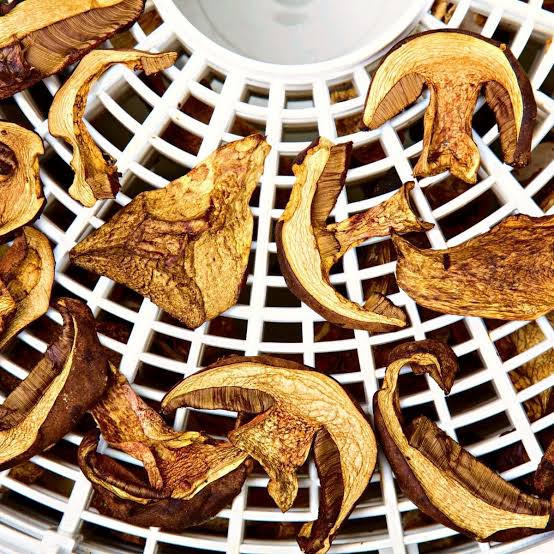
Fresh mushrooms consist of roughly 90% water. If you store them with even a small amount of residual moisture, they will quickly develop mold or decay.
The Gold Standard: Using a Food Dehydrator
A electric food dehydrator is the most reliable tool for post-harvest drying because it offers consistent airflow and temperature control.
1.Step 1: Clean and Arrange:Prepare your harvest for the trays.
Gently brush away any loose substrate or vermiculite clinging to the bottom of the stems using a soft brush or paper towel. Lay the mushrooms out on the dehydrator trays in a single layer, ensuring none are overlapping.
2.Step 2: Set Temperature and Run:Preserve potency with low heat.
Set your dehydrator temperature between 45°C and 55°C (115°F to 130°F). Running your dehydrator at this gentle heat setting preserves active compounds while efficiently removing water. Let it run continuously for 8 to 12 hours (thicker stems may take up to 24 hours).
3.Step 3: Test for Cracker Dryness:Verify zero residual moisture.
To check if your mushrooms are ready, grab the thickest stem and attempt to bend it.
- If it flexes or feels rubbery: It still contains water. Keep dehydrating.
- If it snaps instantly like a dry cracker: It is completely dry and ready for storage.
Part 3: Proper Long-Term Storage
Once your harvest is cracker dry, improper storage can still degrade potency over time through exposure to oxygen, light, heat, and moisture.
    [ Cracker-Dry Mushrooms ]
               +
   [ Food-Grade Silica Packets ]
               +
  [ Airtight Mason Jar (Glass) ]
               +
 [ Cool, Dark Closet / Storage ]
1. Use Glass Mason Jars
Plastic bags and standard containers are permeable to air over extended periods. Always use airtight glass Mason jars with a rubber-sealed lid. Glass provides a true oxygen barrier.
2. Add Food-Grade Silica Gel Packs
Even after thorough dehydration, opening a jar lets ambient humidity inside. Place 1 to 2 food-grade silica gel desiccant packs inside each jar to absorb any lingering atmospheric moisture and maintain absolute dryness.
3. Keep in a Cool, Dark Place
Light and heat actively degrade psilocybin over time:
- Store your sealed jars in a dark cabinet, closet, or drawer.
- Maintain a stable, cool room temperature (below 20°C / 68°F).
- Avoid storing jars in the freezer unless vacuum-sealed with zero air inside, as condensation during thawing can reintroduce moisture.
Storage Method Comparison
| Storage Method | Shelf-Life | Moisture Protection | Degradation Risk |
| Glass Jar + Silica Gel (Cool/Dark) | 1 to 3+ Years | Optimal (Airtight & dry) | Extremely Low |
| Vacuum Sealed Bag + Silica Pack | 1 to 2 Years | High (No air volume) | Low |
| Plastic Ziploc Bag (Room Temp) | 1 to 3 Months | Poor (Air permeable) | High (Loss of potency) |
| Fresh in Refrigerator (Un-dried) | 5 to 10 Days | None (Perishable) | High (Risk of rot) |
Frequently Asked Questions (FAQ)
Can I fan-dry my mushrooms without a dehydrator?
You can pre-dry mushrooms by placing them on paper towels in front of an electric fan for 24–48 hours. However, fan-drying alone rarely achieves full “cracker dry” status, especially in humid climates. You should always finish them with a dehydrator or a sealed chamber filled with commercial desiccant.
Why did my dry mushrooms turn soft again in storage?
If your stored mushrooms lose their crisp snap, moisture has entered the container. Either they were not completely dry before being jarred, or the jar seal is leaking. Immediately put them back into the dehydrator until cracker dry again.
What should I do if blue spots appear on the stems after picking?
Blue discoloration on the stems right after harvesting is completely normal. It is caused by psilocybin oxidation due to physical handling during picking, not mold.
Conclusion
Properly harvesting and preserving your yield ensures your hard work doesn’t go to waste. By harvesting right before the veil breaks, drying your yield with a food dehydrator until cracker dry, and sealing the mushrooms in glass jars with silica gel packs, you can preserve their appearance and potency for years.
