Uncategorized
How to Identify Mold vs Mycelium in Mushroom Substrate
Nov
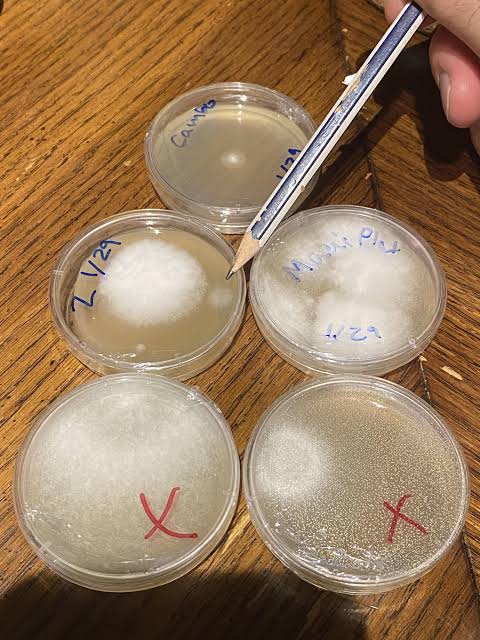
Telling the difference between healthy mushroom growth and early-stage mold contamination is one of the most vital skills in mycology. Misidentifying harmless mycelium for mold can lead to throwing away perfectly fine grow tubs—while ignoring real contamination risks spreading mold spores to your entire workspace.
This visual guide breaks down how to distinguish healthy white mycelium, harmless blue bruising, and dangerous green Trichoderma mold.
1. Healthy Mycelium: What It Looks Like
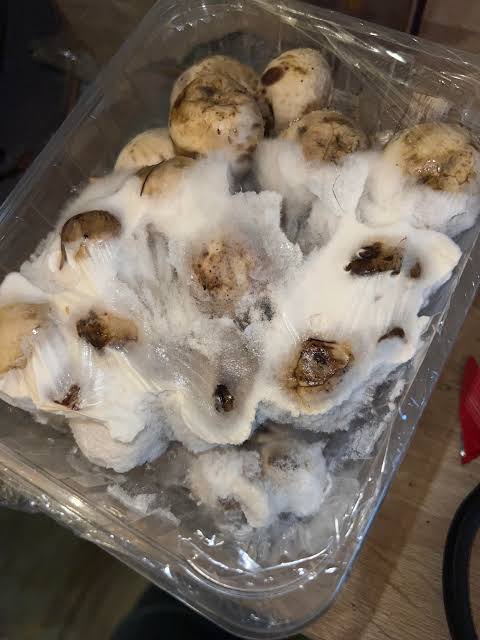
Healthy mycelium typically appears in two distinct visual structures, both of which are completely normal:
- Rhizomorphic Growth: Bold, thick, bright-white strands that look like miniature tree roots or veins spreading across the grain and substrate. This indicates strong, aggressive growth.
- Tomentose Growth: Fluffy, cotton-ball-like growth that covers the surface evenly. It is soft, cloud-like, and brilliant white.
Key Rule: Healthy mycelium is dense, brilliant bright white, and firmly bound to the substrate.
2. Mycelium Bruising vs Green Mold (Trichoderma)
The single most common mix-up in mushroom cultivation is mistaking blue bruising for green mold.
Blue Bruising (Harmless)
- Cause: Physical damage, direct water droplets hit during misting, or low moisture stress causing psilocybin or cellular oxidation.
- Color: Metallic, light-to-deep bluish-grey.
- Texture: Smooth and integrated directly into the white mycelium network. It will not look dusty or powdery.
- Q-Tip Test: Gently wipe a clean cotton swab across the blue patch. If the Q-Tip comes away completely clean, it is harmless bruising.
Green Mold / Trichoderma (Dangerous Contamination)
- Cause: Soil-borne fungal spores (Trichoderma harzianum) overtaking uncolonized substrate or weak mycelium.
- Color: Starts as a chalky, thick bright-white patch, then turns forest green, dull olive, or lime green within 24 to 48 hours as it produces spores.
- Texture: Powdery, granular, or crusty texture on top of the substrate.
- Q-Tip Test: Gently wipe a clean cotton swab across the green patch. If green dust/spores transfer onto the cotton swab, it is active mold contamination.
3. Other Common Contaminants vs Mycelium
| Appearance / Texture | Primary Color | Suspected Organism | Severity & Action |
| Thin, greyish, fast-growing web hovering above substrate | Light Grey / Translucent | Cobweb Mold (Dactylium) | Medium: Melts instantly when sprayed lightly with 3% Hydrogen Peroxide H₂O₂ |
| Unpleasant slimy spots, sour or sweet rotten odor | Yellow / Brown / Clear Slime | Bacterial Wet Rot | High: Indicates over-saturation; toss affected tubs to avoid fruit aborts. |
| Powdery forest green or dark olive patches | Emerald / Olive Green | Trichoderma Mold | Critical: Immediately isolate tub, seal tightly, and dispose outside. |
| Bright orange, pink, or red spot clusters | Pink / Red / Orange | Lipomyces or Neurospora | Critical: Extremely fast-spreading airborne spores. Throw away immediately. |
What to Do If You Spot Contamination
Do Not Open Contaminated Tubs Indoors
Opening a tub filled with green Trichoderma or red mold releases millions of microscopic mold spores into your indoor air. This will contaminate future grow kits and grow rooms for weeks.
1.Perform the Q-Tip Swab Test:Simple diagnostic check.
Take a sterile cotton swab and gently press and wipe it across the suspicious spot.
Verification: If the swab remains clean, the spot is bruised mycelium. If color rubs off onto the swab, it is mold spores.
2.Isolate the Affected Container Immediately:Contain spore spread.
If the swab picks up green or grey pigment, remove the grow kit or tub from your cultivation room without opening the lid.
3.Dispose and Sanitize Workspace:Prevent workspace contamination.
Discard contaminated substrate in outdoor waste. Thoroughly wipe down your entire grow area using a 10% bleach solution or 70% isopropyl alcohol to destroy residual airborne spores.
Quick Reference Summary
- Bright White & Root-like / Cottony: Healthy Mycelium
- Blue-Grey & Doesn’t Rub Off: Harmless Bruising
- Forest Green & Rubs Off On Q-Tip: Trichoderma Mold (Dispose Immediately)
- Rapid Grey Mesh Flying Above Substrate: Cobweb Mold (Treat with Hydrogen Peroxide)
Frequently Asked Questions (FAQ)
Is yellow liquid on my mycelium a sign of mold?
No, yellow droplets on top of mycelium are usually mycelial metabolites (often referred to as “myco-piss”). This is a natural antibiotic fluid excreted by healthy mycelium when it encounters minor stress or mild bacterial competition.
Can I cut out green Trichoderma mold to save the rest of the substrate?
It is strongly discouraged. By the time Trichoderma turns green, it has already released millions of invisible microscopic spores throughout the rest of your substrate block. Cutting out green spots usually spreads spores to your workspace without saving the tub.
